
How Often Does a Septic Tank Need Cleaning?
That 3 to 5 year window is a starting point, not a rule that fits every house. A family of five in an older Fountain Valley home will fill a tank faster than a couple in a newer build with a larger tank. Water use matters too. Long showers, constant laundry, a garbage disposal running daily, all of it adds volume. If you're not sure where your property falls, septic tank pumping cost in Fountain Valley depends partly on tank size and access, so it helps to know both before you call. Some homeowners track pumping dates on a calendar, and pairing that with a look at septic tank warning signs helps catch problems early. Others wait for a warning sign. Neither approach is wrong, but tracking dates catches problems before they become expensive ones. If you've never had the tank serviced, or you don't know when the last pumping happened, that's the first thing to find out. A septic pumping service can usually estimate tank age and condition on the first visit.
What Happens If You Wait Too Long?
Solids build up, the tank fills past capacity, and sewage backs up into the house or yard. That's the short version. The longer version involves slow drains, gurgling pipes, and a lawn that's suddenly greener over the drain field than everywhere else. None of that is subtle once it starts, and if you're weighing a septic tank cleaning versus a full pump-out, it helps to know which symptoms point to which. Watch for septic tank warning signs like slow drains or sewage odor near the tank lid, because those show up well before a full backup. Waiting also costs more, and homeowners comparing options sometimes check how often to pump a septic tank again before deciding whether to wait. A tank that's overflowed can damage the drain field, and drain field repair costs far more than a pumping visit ever would. If you're dealing with an active backup right now, don't wait for a scheduled appointment. Call for emergency septic service instead. For events or renovation projects where the septic system can't handle extra load temporarily, a holding tank rental or a few porta potty rental units can take the pressure off while you sort out the real fix.
Do Commercial Properties Follow the Same Schedule?
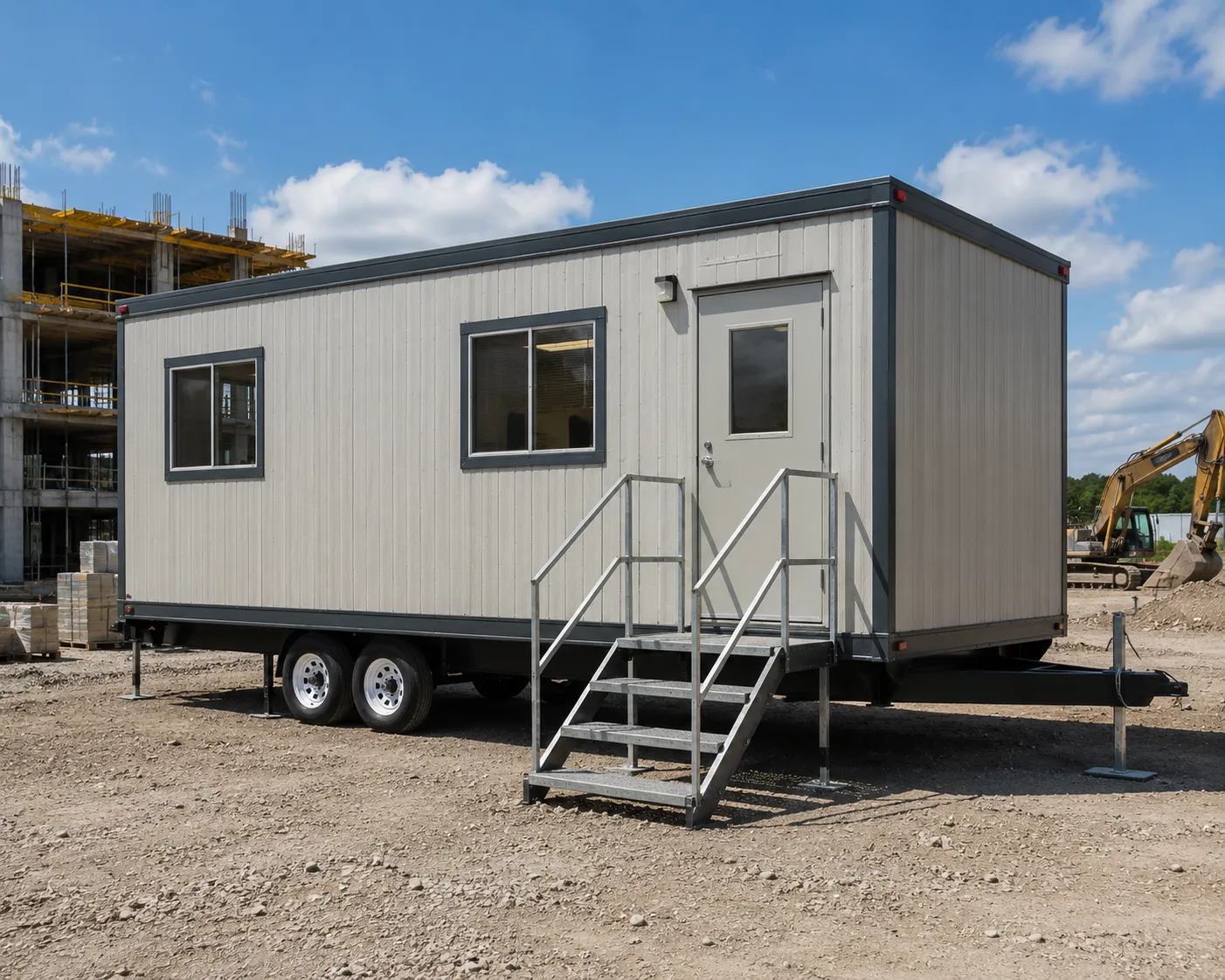
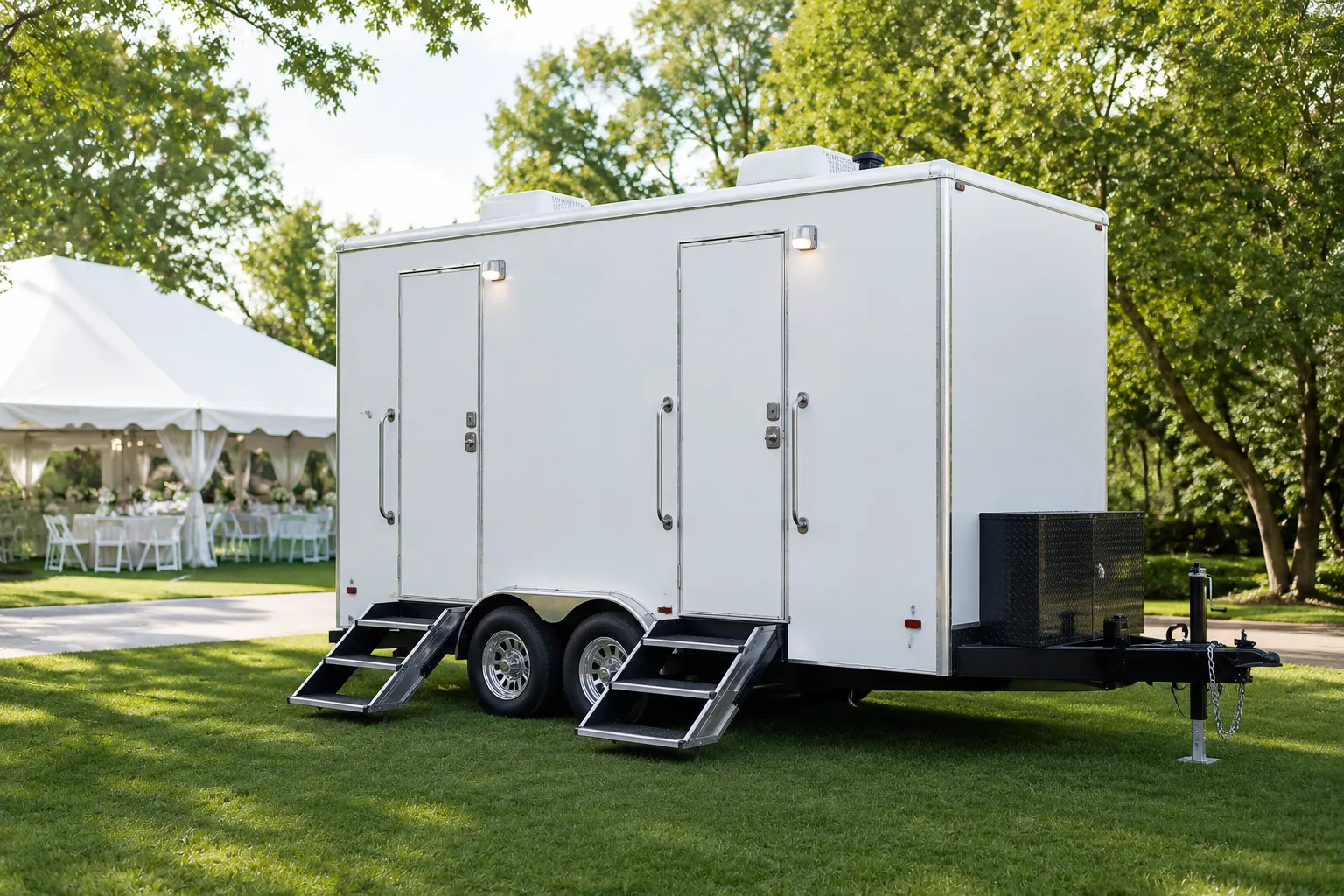
No. Restaurants and commercial kitchens run on a completely different clock because grease interceptors fill up based on fat and oil content, not just volume. A grease interceptor gets pumped once fats, oils, grease and solids reach 25 percent of the liquid depth, which can happen in weeks rather than years depending on kitchen volume. That's a much tighter interval than a residential tank, closer to what you'd plan for with a portable restroom rental on a busy job site. If you run a restaurant, food truck commissary, or any commercial kitchen in Fountain Valley, grease trap pumping needs its own schedule, separate from whatever your building's main septic or sewer connection does. Skipping a cycle here causes slow drains fast, and health inspectors notice, so some kitchens pair grease trap service with a handwashing station rental to keep staff sanitation covered during heavy shifts. Construction sites and events have different sanitation needs entirely; those usually call for construction site services or event restroom rental rather than anything tied to a septic tank at all.
Is There a Way To Stretch the Interval Between Pumpings?
Yes, within limits. Cutting back on garbage disposal use, spacing out laundry loads instead of running several in one day, and keeping grease out of drains all reduce solid buildup. None of that changes the tank's physical size, though, and none of it replaces pumping. Think of it as slowing the clock, not stopping it, the same way a porta potty rental checklist helps a project plan ahead instead of reacting to a problem. A 1,000 gallon tank serving a busy household still needs attention on a predictable rhythm, and stretching the interval past what the tank and household size support is how people end up with the backups covered in the section above. If your property sits near Midway City, about 4.3 miles northwest of Fountain Valley, or closer to Stanton, roughly 8.2 miles north, the same math applies. Tank size and household size drive the schedule, not the zip code, whether you're near Seal Beach or closer to Cypress. For a broader look at scheduling and signs, how often to pump a septic tank covers the same ground as this page and links out to related service pages if you need to act now.
How much does septic pumping cost in Fountain Valley?
Pricing depends on tank size, access, and how much waste has built up. For general project budgeting, septic tank pumping cost breaks down what affects price. A same-day or short-notice visit typically costs more than a scheduled one booked in advance, similar to how porta potty rental per day pricing runs higher than a longer booking.
What size is a typical residential septic tank?
Most homes run a 1,000 gallon tank, though size varies by household and build era. Larger households usually need pumping closer to the 3-year mark, while smaller households with newer tanks can often wait closer to 5 years.
Can I pump my own septic tank?
No. This requires licensed equipment and proper waste disposal, not a rented pump and a truck. A septic pumping service has the tank truck and disposal permits needed to do it correctly and legally.
Does a garbage disposal affect pumping frequency?
Yes. Garbage disposals add solid waste volume directly into the tank, which speeds up how fast solids accumulate. Households that use one heavily often need pumping closer to every 3 years instead of every 5.
What if I don't know when my tank was last pumped?
Call and ask for an inspection first. A technician can usually estimate tank condition and rough age from the visit, then recommend a pumping schedule going forward, which beats guessing and risking a backup, and you can request a quote once you know the tank's condition.
Next step
Get a delivery date
Tell us the address, the dates and the headcount. We size the order and confirm the route.