
How Do Porta Potties Work?
The design is simple on purpose. A vented tank sits under a molded seat, and a chemical packet or liquid drops into it before delivery to start breaking down solids and control smell. There is no flush and no water hookup, which is why standard porta potty rental works on job sites and lots where plumbing does not exist yet. A standard unit measures about 44 by 48 inches on the ground and stands roughly 92 inches tall, small enough to fit tight side yards or narrow lot lines common around Fountain Valley. Ventilation stacks pull odor up and out rather than trapping it inside. Between services, the deodorizing chemical keeps working, which matters most in July and August heat. For anyone comparing options before a rental, porta potty rental cost in Fountain Valley breaks down what drives price beyond the base unit, and how many porta potties do I need walks through headcount math using OSHA's own ratios.
How Does a Portable Sink Work?
A portable sink runs off a small onboard freshwater tank, gravity or a foot pump pushes water to the spigot, and a separate greywater tank underneath catches the runoff. No pipes, no drain line. Fountain Valley Porta Pros stocks these alongside toilets because 29 CFR 1910.141(d)(2) requires soap and towels or a hand-drying device at washing stations, and hand sanitizer alone does not satisfy that. Crews applying paints, coatings, herbicides or insecticides fall under OSHA 1926.51(f)(1), which specifically requires washing facilities for that kind of contaminant exposure. See handwashing station rental for options, or portable sink rental if you just need the sink without a full restroom setup. Restaurants and food events often pair a sink with hand sanitizer station rental units for extra coverage near prep areas. Full requirements are listed on handwashing requirements.
How Do Flushable Porta Potties Work?
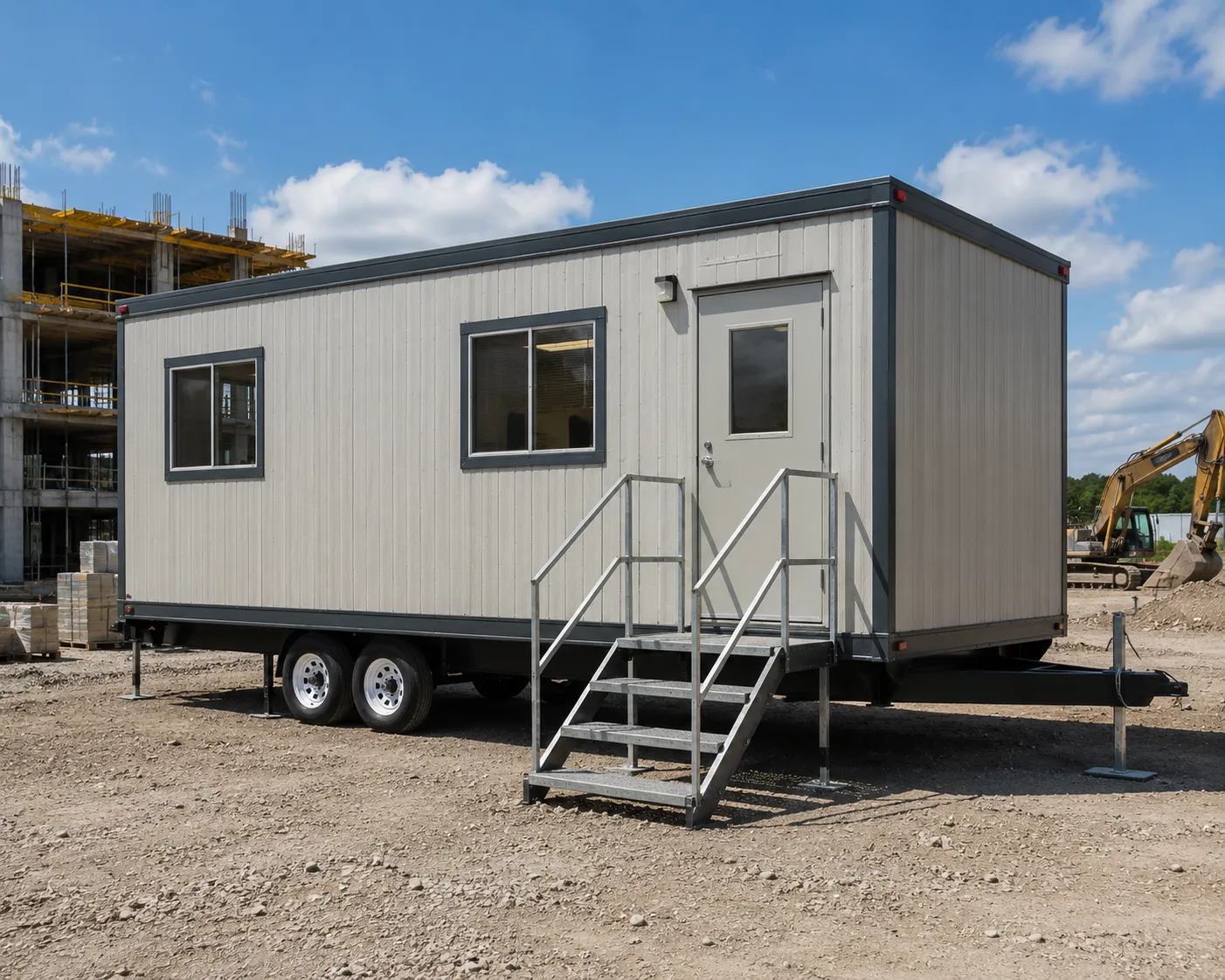
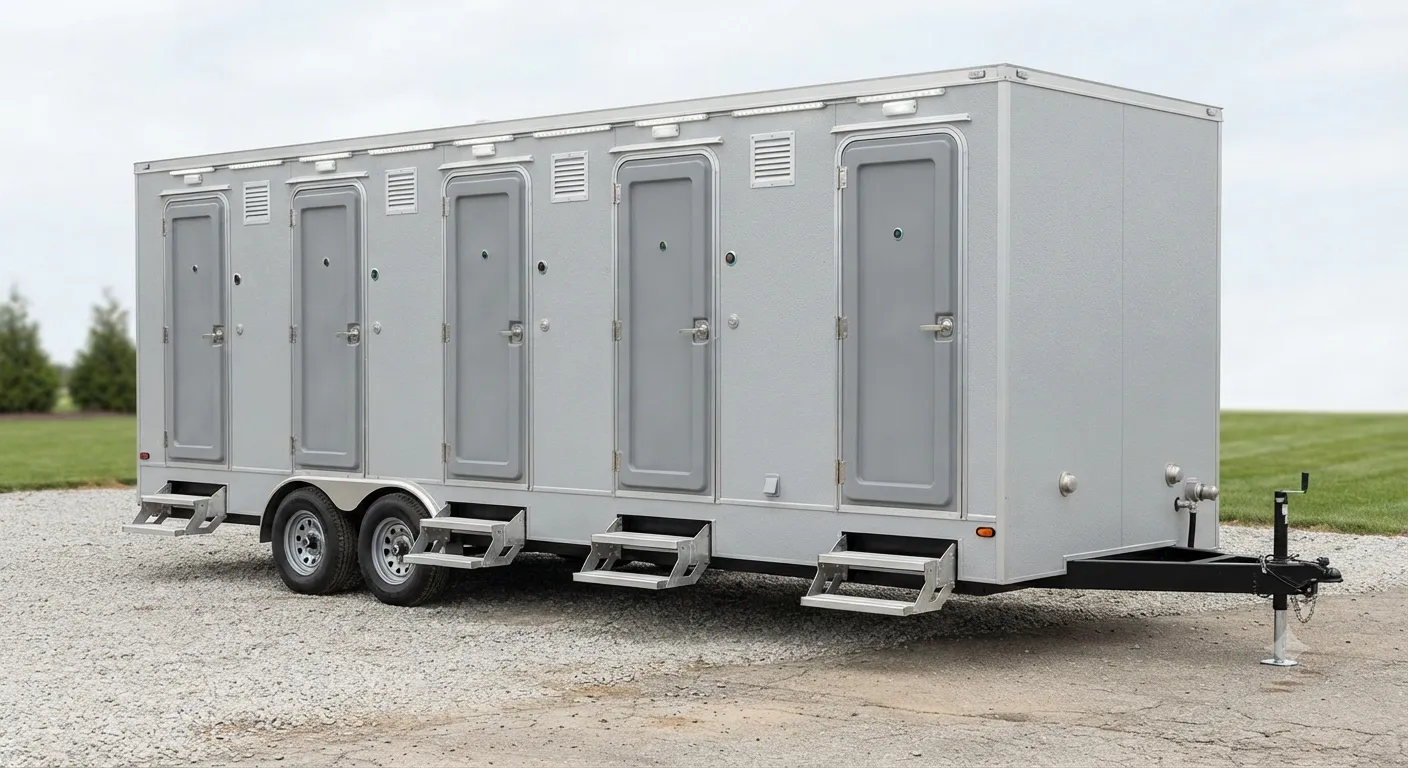
A flushable unit uses a small onboard freshwater reservoir and a hand pump or foot pedal to push a rinse of water into the bowl after use, moving waste into the holding tank below, similar to an RV toilet. It is not connected to a sewer line. This is the deluxe flushable porta potty tier, and it typically runs from the day rate up through weekly pricing shown below. Deluxe units suit weddings and office sites where a plain standard unit feels rough. For accessible layouts, ADA accessible porta potty units follow ADA Standards 304.3.1, requiring a 60 inch turning circle inside, and ADA Standards 404.2.3, which sets a 32 inch minimum clear door opening. ADA Standards 213.2 also requires that at least 5 percent of a clustered bank of units be accessible, never fewer than one. Longer events sometimes upgrade further to a restroom trailer rental, which flushes to an internal tank the same way but adds sinks and stalls.
| unit | day | week | month |
|---|---|---|---|
| standard | 100-350 | 130-500 | 125-325 |
| deluxe | 85-1200 | 150-290 | -- |
| ada | 200-400 | 120-240 | -- |
Why Do Construction Sites Need Them?
A construction worker running to a porta potty between tasks needs one close, not one three trailers away, because time on a job site is the whole point of having facilities nearby. OSHA 1926.51(c) sets the ratio: one toilet for 20 workers or fewer, then one toilet and one urinal per 40 workers as crews grow past that, and one per 50 once a site hits 200 workers. That number also drives service frequency, since ANSI/PSAI Z4.3 sets a baseline of one service visit per week for up to 10 users across a 40 hour week, more often on busy sites. Construction site services covers full-project setups, while OSHA portable toilet requirements breaks the ratio down by crew size. General industry sites, as opposed to construction, follow a separate ratio under OSHA 1910.141(c)(1)(i). For crews handling septic or grease work nearby, note that a grease interceptor gets pumped once fats, oils, grease and solids reach 25 percent of liquid depth, a different maintenance clock than a portable toilet's weekly service. Renovation projects around Fountain Valley, including work near Midway City 4.3 miles northwest, typically size up from home renovation porta potty guidance rather than full commercial ratios.
Camping units work the same core system, just smaller, often a self-contained cassette toilet with its own tiny holding tank you empty at a dump station; see camping porta potty for that setup. And septic tank cleaning chemicals used in porta potty tanks are not the same product as what goes into a household septic system. A residential septic tank is typically pumped every 3 to 5 years depending on tank size and household size, a separate service covered at septic pumping service and how often to pump a septic tank.
How often does a porta potty get pumped?
Once a week is standard under ANSI/PSAI Z4.3 for up to 10 regular users across a 40 hour week. High-traffic events or larger crews need more frequent service. Fountain Valley Porta Pros schedules around actual headcount, not just a flat calendar reminder.
Do porta potties need a water hookup?
No. The toilet side runs entirely on the chemical-and-tank system, no plumbing required. Flushable and deluxe units carry their own small freshwater reservoir onboard, refilled during service visits, so nothing connects to a building's water line.
What chemical is used inside the tank?
A blue deodorizing liquid or packet, dropped in before delivery, breaks down waste and controls odor between services. It is a sanitation product made for portable units, not the same chemical sold for home septic tank maintenance.
Can a porta potty be used in freezing weather?
Yes, with adjustments. Extra deodorizer and, on some units, tank heaters help prevent freezing. See porta potty in winter for how Fountain Valley Porta Pros handles cold snaps locally.
How far does a delivery truck need to park?
Roll-off and larger unit deliveries need roughly 60 feet of straight clearance behind the truck to place equipment safely, which matters on tight residential streets or lots near Stanton, 8.2 miles north of Fountain Valley.
Next step
Get a delivery date
Tell us the address, the dates and the headcount. We size the order and confirm the route.